




Treatment Options for Kidney Disease
Everyone feels a swirl of conflicting emotions when beginning dialysis. But you may be surprised to find out how many choices you have—ones that can fit into the life you want to live.

STARTING DIALYSIS? TAKE A FREE CLASS
Learn how to feel your best and thrive on dialysis. Choose the class format that fits your life—educator-led or self-guided.
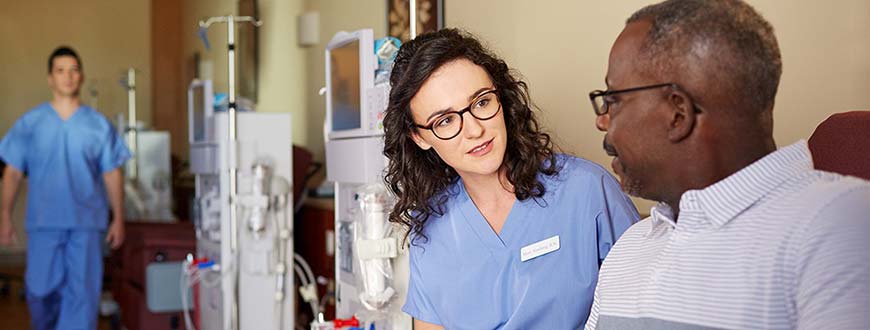
What is dialysis?
Dialysis is a life-extending treatment that removes waste, toxins and excess fluid from blood to help people thrive with end stage renal disease (ESRD).
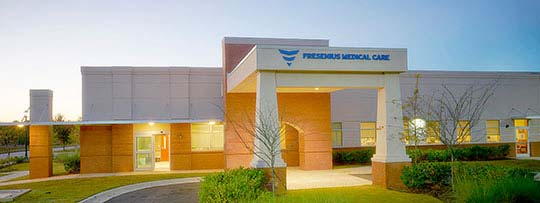
In-center hemodialysis
Surrounded by a caring team during treatment, all centers offer daytime dialysis. But many offer treatment at night, too—a good choice for those who work.

Benefits of home dialysis
Learn why 91% of nephrologists would choose home dialysis for themselves over another dialysis option. Better health outcomes are at the top of the list.

At-home peritoneal dialysis
If you want to travel or work, this option offers the most flexibility—and, of course, there’s no place like home. It can usually be done without care-partner support.

At-home hemodialysis
At-home hemodialysis allows you to dialyze on a schedule that’s right for you—whether it’s day or night. Care partner support may be needed.
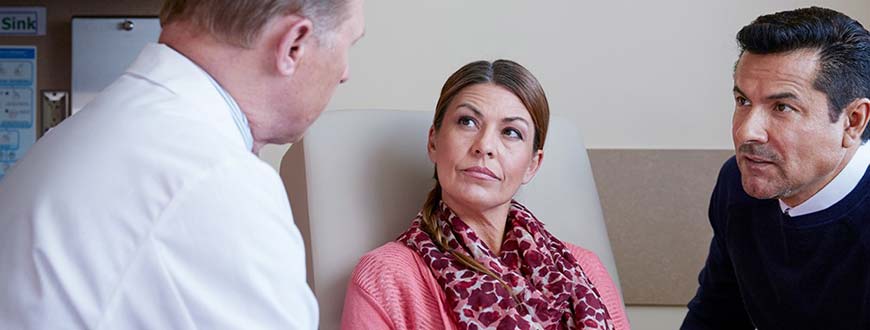
Your access is your lifeline
Make sure you have the best access type for you.

Considering kidney transplant
A successful kidney transplant is the closest thing to natural kidney function and the best ESRD treatment option whenever possible.

Making a plan
From cost-planning to medications to weather-related emergencies, planning ahead will help you.
What to think about when choosing a dialysis treatment
Most people can choose from any of the dialysis treatments offered. So what will fit your life best? Here are a few things to consider:

Treatment Frequency/Length
How often and how long are treatments?

Flexibility/Convenience
How flexible does your treatment schedule need to be?

Diet/Fluid Intake
What diet and fluid restrictions may be needed?

Travel
What treatment choices are best if you want to travel for work or pleasure?

Access
Where will the access site be placed to perform dialysis, and what will it look like?

Medicine
What medicines are required?

Impact on Life and Others
How will the treatment process affect your job, activities, family, and care partners?